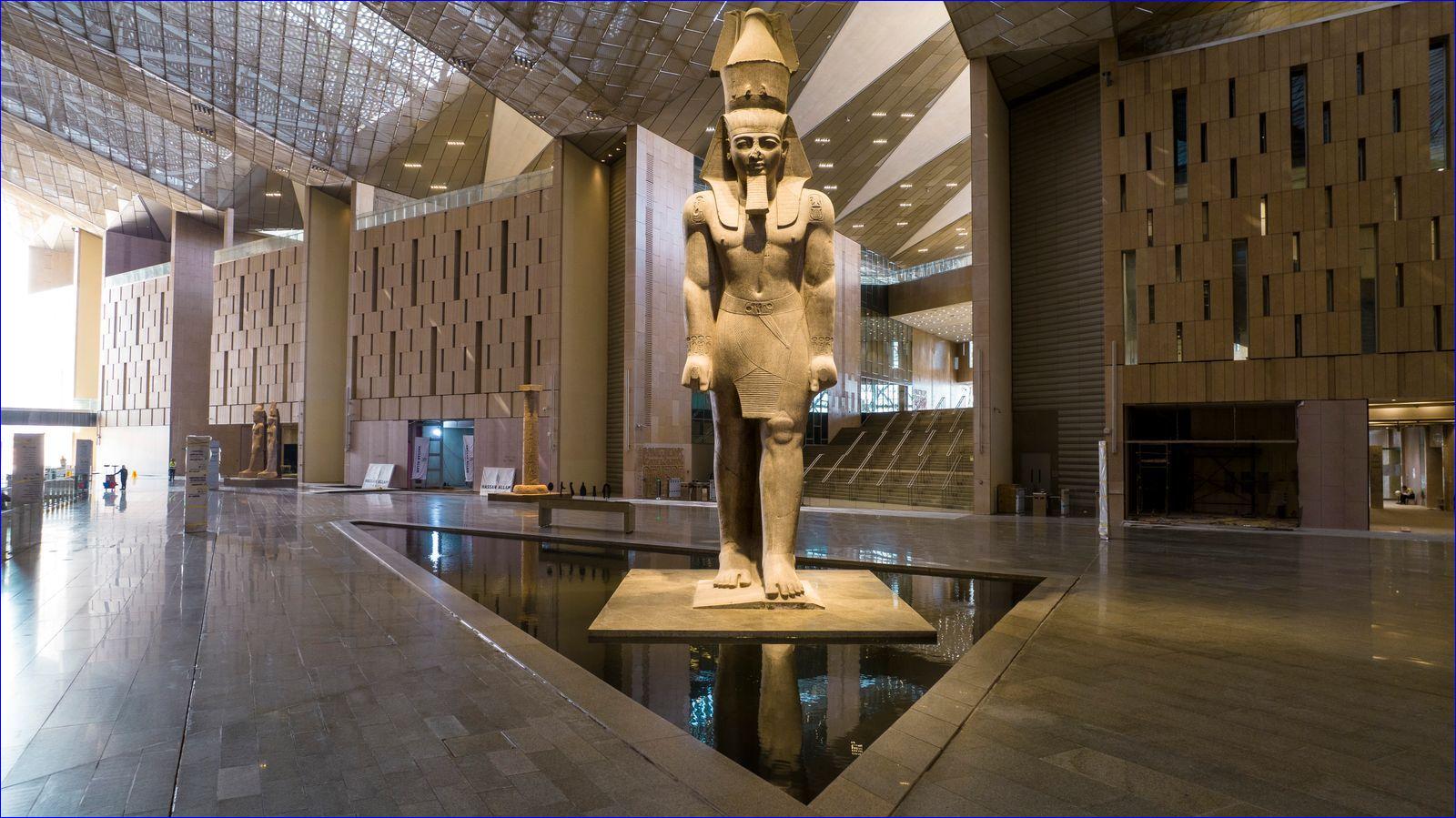
The reopening of the Egyptian Museum stands as a powerful symbol of cultural rebirth and national pride. Egypt, one of the world’s oldest civilizations, has long recognized that the preservation of its heritage is not merely an act of remembrance–it is an act of self-affirmation. Through the careful restoration of artifacts, the celebration of ancient art, and the dedication of scholars, Egypt has shown the world that cultural continuity is the foundation of national identity. This museum, therefore, is not only a building filled with relics; it is a living bridge connecting the past to the present, reminding every visitor that civilizations do not truly die when their memory is kept alive.
For Assyrians in today’s Iraq, this monumental event holds profound lessons and inspiration. The Egyptian example demonstrates how a nation can reawaken its ancient glory through the power of cultural preservation and public education. Just as the pharaohs’ tombs and hieroglyphs were revived to tell the story of Egypt’s greatness, so too can the ruins of Nineveh, Ashur, and Nimrud speak again if their heritage is protected, celebrated, and taught to the younger generations. The Assyrian legacy–its libraries, art, language, and faith–deserves to stand proudly in museums, schools, and public consciousness as a cornerstone of Mesopotamia’s collective identity.
The future of Assyria in Iraq, however, depends on more than admiration–it requires action. The establishment of an Assyrian National Museum or the revitalization of existing Assyrian cultural centers would serve as tangible steps toward reclaiming a rightful place in the narrative of Iraqi civilization. Through archaeology, language revival, and historical documentation, Iraq could honor all its ancient roots, ensuring that the Assyrian story is told not as a fragment of history, but as an ongoing chapter of resilience and contribution. Cultural inclusion is not a luxury; it is a necessity for the moral and intellectual healing of a nation long divided by war and neglect.
The Egyptian Museum also teaches the value of global cooperation. Egypt’s success came through international partnerships, academic exchanges, and heritage tourism. Likewise, Assyrian preservation efforts in Iraq could flourish through collaboration with UNESCO, global universities, and the Assyrian diaspora. When the world sees the lamassu standing again at the gates of Nineveh, when children in Iraq learn that the world’s first library was built by their ancestors, they will begin to recognize the universal significance of Assyria’s rebirth–one that belongs not only to Assyrians but to all humanity.
Read more: http://www.aina.org/guesteds/20251104151853.htm
By Dr. John Kaninya | AINA