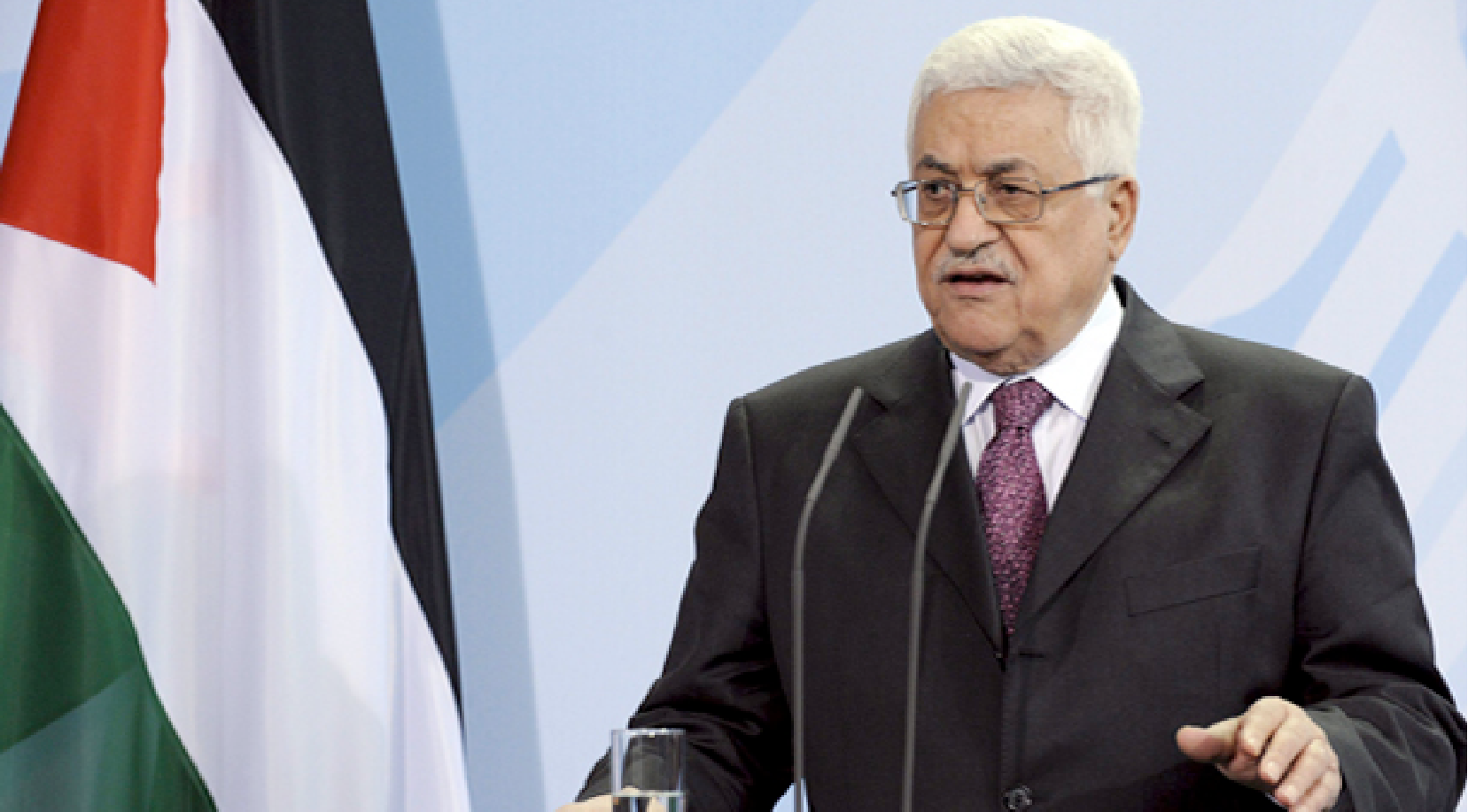
When Palestinian President Mahmoud Abbas — known across the Arab world as Abu Mazen — arrived in Rome in early November, the tone of his visit was markedly different from the diplomatic routine. Between meetings with Pope Leo XIV, Italy’s President Sergio Mattarella, and Prime Minister Giorgia Meloni, Abbas carried with him a message of restoration — not only for stone and mosaic, but for faith itself.
In the shadow of continuing violence and despair in Gaza and the West Bank, Abbas announced the long-awaited renewal of the Grotto of the Nativity in Bethlehem, the very cave where Jesus was born. The project, decreed personally by the Palestinian president, marks the second major phase in a decade-long effort to safeguard the Basilica of the Nativity, following the extensive restoration of the church itself completed in 2020.
Speaking at the opening of the exhibition Bethlehem Reborn, held at the San Salvatore in Lauro complex in Rome, Abbas described the project as “a sign of hope and rebirth for the Holy Land.” Those words, uttered amid photographs of gilded mosaics and newly restored marble columns, resonated far beyond the exhibition walls. After years of darkness, Bethlehem’s light — literal and spiritual — may finally return.
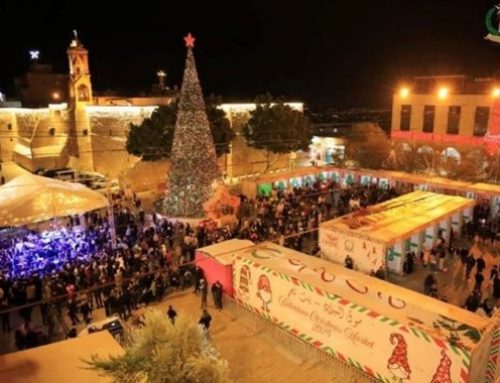
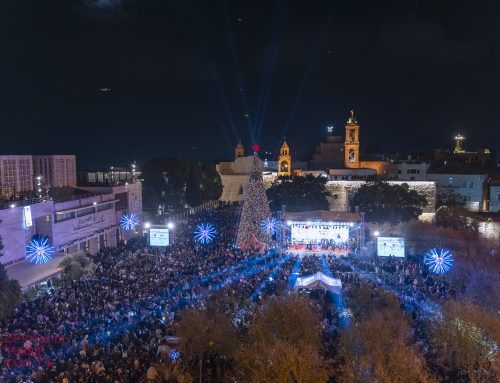
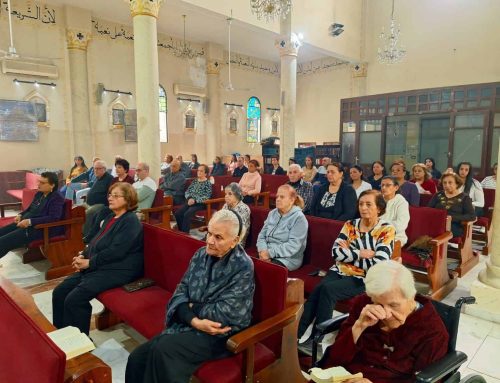
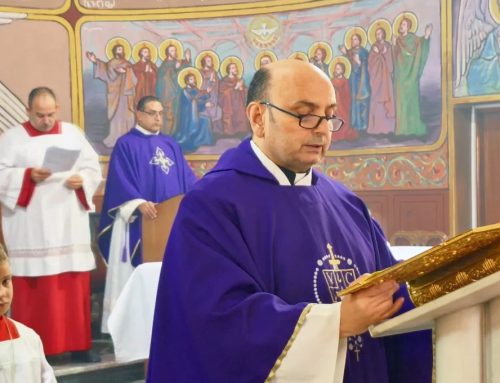
For two consecutive Christmases, Bethlehem had stood silent. No lights, no choirs, no pilgrims. Streets once bursting with life had grown dim as war and fear reached deep into the heart of the city known for peace. “Bethlehem has been wounded,” said a local priest last year. “But even in silence, faith breathes.” Indeed, local Christian communities had continued to celebrate Christmas with deep intensity, stripped of spectacle yet radiant with conviction.
Abbas’s commitment to attend Midnight Mass on December 24 — after a two-year absence — carries powerful symbolism. It is not merely a return to ceremony, but a gesture of unity in a fractured land. As he often recalls, the Palestinian president celebrates Christmas three times each year: with Catholics, Greek Orthodox, and Armenians. In the shared observance of Christ’s birth, he sees an affirmation of coexistence — one that politics has too often failed to sustain.
The decision to restore the Grotto has been greeted with enthusiasm across the Holy Land. Beyond its immense religious significance, the project offers much-needed employment to families in Bethlehem, whose livelihoods depend on the fragile economy of pilgrimage and hospitality. Craftsmen, restorers, and artisans — many of them from local Christian and Muslim communities — will work side by side, rekindling a tradition of shared guardianship over sacred heritage.
Read more: https://zenit.org/2025/11/12/palestinian-president-announces-investment-in-restoration-of-jesus-christs-birthplace/
By ZENIT STAFF