By Randa Hasfura Anastas, Salvadorian Diplomat of Palestinian origin / KTH Alumna of 2015.
There are places where history has never rested, where it bleeds quietly under the weight of time. Palestine—land of hills, olive trees, and the sacred geography Christians call the Holy Land—is one of them.
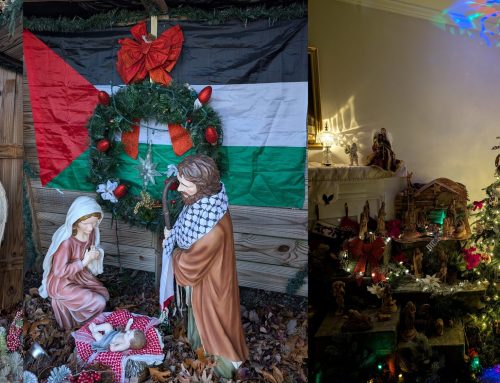
It is the birthplace of the Christian mystery, where heaven touched earth and the Word became flesh. Yet today, the land that witnessed the dawn of hope is scarred by walls, barbed wire, checkpoints, and watchtowers. In a landscape of blockades and permits, Christmas carols echo like a painful contradiction. The road to Bethlehem no longer winds past shepherds and fields, but past armed soldiers and expanding settlements.
As we approach the end of the Liturgical Year—the Church’s living memory of salvation history—Christians worldwide prepare for Advent, Christmas, Lent, and Easter. But in the Holy Land, these seasons are not just spiritual milestones; they are written into the very soil.
While churches across the world light candles and tune their choirs, in Bethlehem shopkeepers dim their lights, and olive-wood artisans count days without pilgrims. Palestinian Advent has become an endless waiting: not for the Messiah, but for a permit to cross the wall and attend Mass. Christmas lights shine not from joy, but in hope of attracting the few pilgrims who still arrive. The manger remains; the shepherds cannot reach it.
In the Christian calendar, after feasts comes Ordinary Time. In Palestine, “ordinary” means occupation. Since 1948, daily life has meant checkpoints, searches, permits, curfews. Families live with the wall at their doorstep, with land confiscated and churches cut off from their faithful by military roads. Children hear the hum of drones before they learn the sound of bells. And slowly, quietly, Christians depart—becoming an almost invisible minority in the land where Christianity was born.
When Lent returns, Jericho’s hills recall the desert where Jesus was tempted. Today, Palestinians face their own temptations: despair, silence, exile. Pilgrims who walk these ancient paths understand that Christ’s Passion did not end at Golgotha. In Palestine, every day feels like Good Friday; every dawn reminds us that resurrection has not yet come.
Easter should fill Jerusalem with joy, yet the holiest city is also the most burdened. Church bells mix with the call to prayer as soldiers guard the entrance to the Holy Sepulchre. Pilgrims on the Via Dolorosa pass through checkpoints carrying wooden crosses, each step a plea for peace. Here, resurrection itself becomes an act of resistance—choosing to live, believe, and hope despite everything.
The world, preoccupied with its own urgencies, often forgets that in this wounded land the very essence of Christianity still struggles to survive. The Holy Land is not a museum or a spiritual theme park—it is a living, suffering, sacred place where faith and history continue their silent battle.
If Christians everywhere remembered that the Holy Land is not only the cradle of their faith but a present reality in pain, then Advent could again be hope, Christmas true joy, Lent real conversion, Easter a lived resurrection—and Ordinary Time a season of life once more.
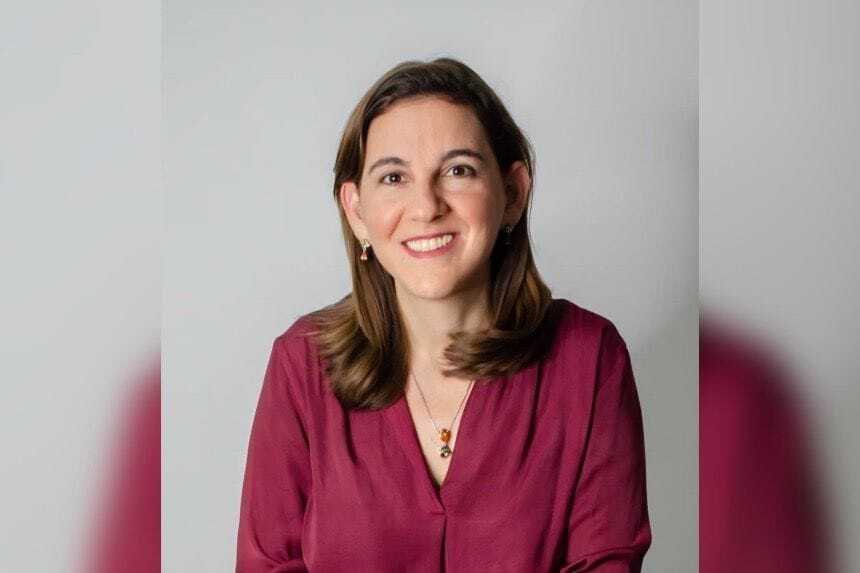
Randa Hasfura Anastas is a Salvadoran diplomat of Palestinian origin and a proud KTH Alumna of 2015. Born into a Bethlehem family deeply rooted in generations of Palestinian tradition; she has forged a distinguished diplomatic path representing both Palestine and El Salvador. Through her work, she has championed peace, dialogue, and international cooperation, serving as a bridge between cultures and communities while honoring her heritage with dedication and purpose.