Violence and attacks by Israeli settlers in Palestine continue without pause: buildings and cars destroyed, fires set, crops damaged. There is no peace in Taybeh. A small village a few kilometers north of Jerusalem and east of Ramallah, it is known as the last Palestinian village still entirely inhabited by Christians.
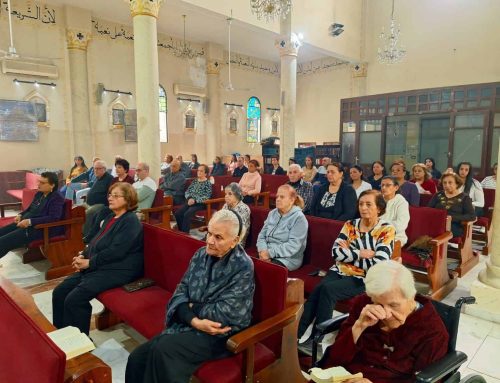
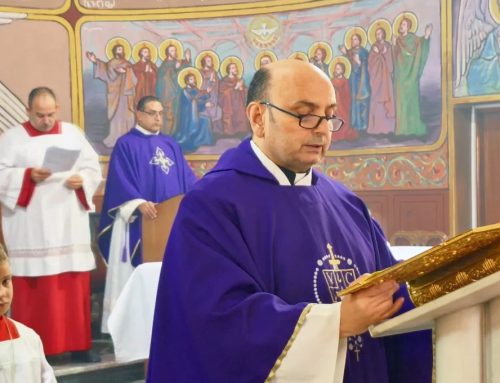
“In recent days, we have suffered new attacks by settlers,” Father Bashar Fawadleh tells Vatican News. He is originally from Aboud, another small village near Ramallah, and has served as parish priest of Taybeh’s Latin church since 2021. The town, with just over a thousand inhabitants, has three churches—the Orthodox Church, the Melkite Church, and the Latin-rite Church.
Growing violence
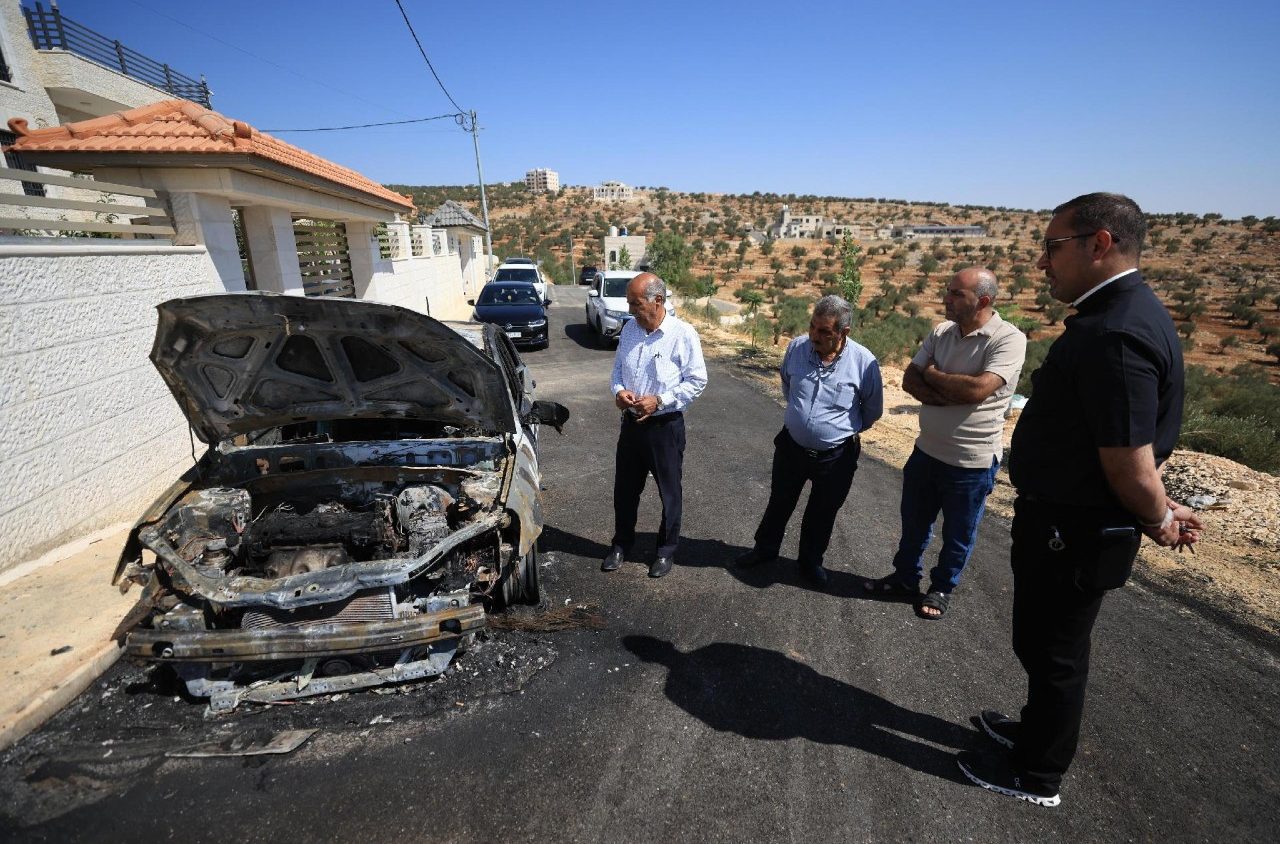
“The settlers destroyed one of the buildings belonging to the parish and to a parishioner,” as well as two cars parked in front of it. Fr. Fawadleh recounts how “they slashed the tires, smashed the glass, the windows—everything.”
For the second time in two days, the gas station was also destroyed and everything stolen. “These acts of vandalism and violence are unacceptable and require a firm condemnation by Israelis,” he says.
A few days ago, Israeli Prime Minister Benjamin Netanyahu expressed criticism of Monday’s attacks in a West Bank village carried out by some settlers, whom he described as a “handful of extremists.” Words that, Fr. Fawadleh says, “mean a lot” because they are further proof that “what is happening in the West Bank is truly a crime.” His response therefore seems to be a sign of international pressure stepping in to stop violence that “is unacceptable.”
A meager harvest season
Yet the village of Taybeh is not new to these dynamics, having long endured attacks by Israeli settlers, though they intensified after 7 October, 2023—especially at the start of the harvest season. In that area, many Palestinians must travel to reach their farmland when the time comes to gather the crops, but they are constantly hindered by roadblocks and violence.
Olive oil production, historically important in Palestine, is expected to drop sharply this year due to drought and settler attacks, according to the Palestinian NGO ARIJ. “This is the third year we have been unable to reach our olive groves,” the parish priest explains.
A climate of fear
Frequent assaults have created a climate of fear among residents, now at the point of exasperation. “After the many settler attacks—not only in Taybeh but in the area east of Ramallah—many people are thinking of emigrating, of leaving the country because there is no security,” he continues. Daily life in Taybeh “is subject to restrictions due to many closures and military barriers.”
This current way of life marked by suffering attracted the attention of religious and civil institutions last July, when the leaders of the Christian Churches of the Holy Land—together with several diplomatic delegations—visited the village to express support with a simple request: peace.
Read more: https://www.vaticannews.va/en/church/news/2025-11/settler-attacks-in-taybeh-we-must-nourish-hope.html
By Beatrice Guarrera | VaticanNews