The Catholic parish in Gaza prepares for Christmas during an unstable ceasefire. From the heart of the devastated city, the pastor describes a disastrous sanitary situation and a daily routine marked by a scarcity of means for rebuilding.
Christmas is drawing near in the land of Christ’s birth, but preparations are taking place in an atmosphere of disquiet.
“The world should know that there are over 2 million people here who have nothing and need everything,” warns Fr. Gabriel Romanelli, pastor of the Catholic parish in Gaza City. He spoke with Aid to the Church in Need International (ACN), almost one-and-a-half months after the beginning of the ceasefire between Israel and Hamas. “The international community should make it clear that according to international law, people have the right to live in their own land,” Fr. Romanelli says. “We should pray. We should pray a lot — for peace, and for all the inhabitants of this Holy Land, be it Gaza, Palestine, or Israel.”
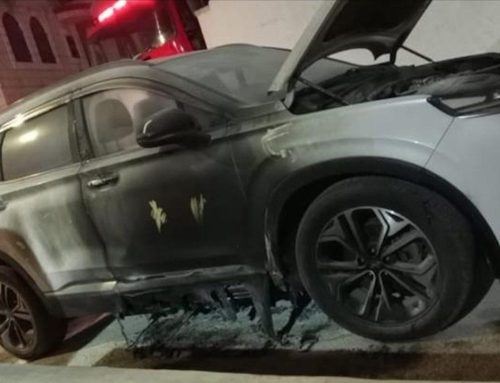
People are still trying to recover since the fragile truce began on October 10. “Some have tried to clean their houses or what is left of them,” the priest tells ACN. But there is a lack of machinery required to clear out streets and land, and most vital infrastructure – running water, sewage systems, electricity – is damaged. “There is no sign of reconstruction. The lack of means causes suffering and the lack of prospects leaves people agitated.”
Fr. Romanelli makes a request for material, spiritual and moral support for everybody, both Christians and Muslims, because “everyone is human, they suffer in the flesh, in the soul and in the heart.”
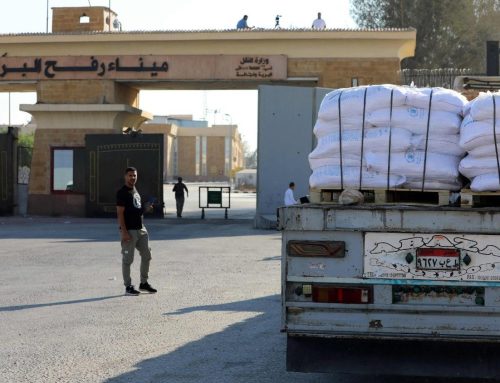
Nonetheless, despite airstrikes that took place on November 19 and 22, the ceasefire has allowed for a timid but real respite in the fighting. Humanitarian aid has been arriving more regularly.
“Since the fighting stopped, the Latin Patriarchate of Jerusalem (on which the parish depends) has managed to send us important aid with which we have been able to help over 12,000 families,” says the parish priest. Other organizations have provided fruit, vegetables, and basic products. Nonetheless, the needs largely outweigh the provisions, and even though prices have decreased, they are still too high for many people.
A search for chocolate
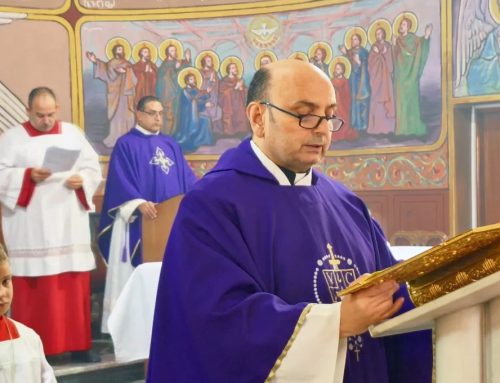
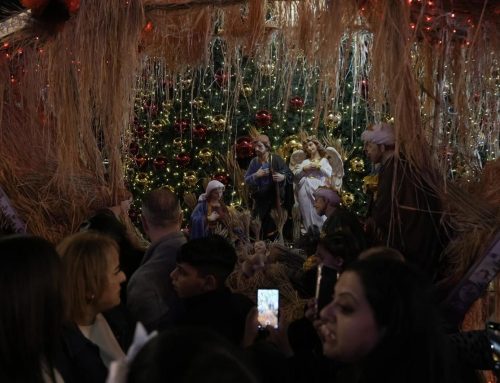
Despite the circumstances, preparations for Christmas are under way. “We are deciding what to organize, and we have begun rehearsing choirs and dabkes (Palestinian group dances), and we may even hold a small show outside the walls of our compound, if conditions permit,” Fr. Romanelli explains.
He would also like to organize visits to the sick — both the ones who live in the compound and those who have managed to return to their houses — and bring small gifts. He has been trying to obtain chocolate — “whatever the cost” — in the hope that “it will do everyone good.”
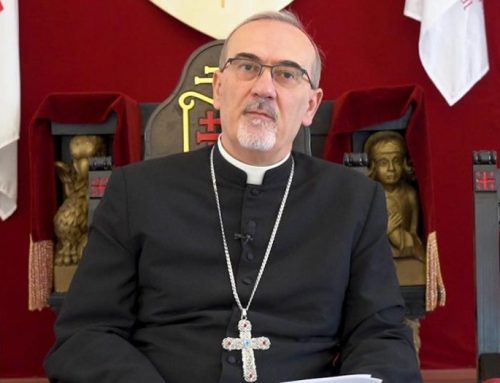
Over the past years, and even before the war, the Latin Patriarchs have always made sure to be close to the Catholic community in Gaza, celebrating Christmas with Holy Family in the days preceding December 25. Will this be possible this year in the context of the ceasefire? For now, the only thing they are sure of is that the option of exit permits that allowed some Gazan Christians to leave the territory to celebrate Christmas with their families is not even on the table.
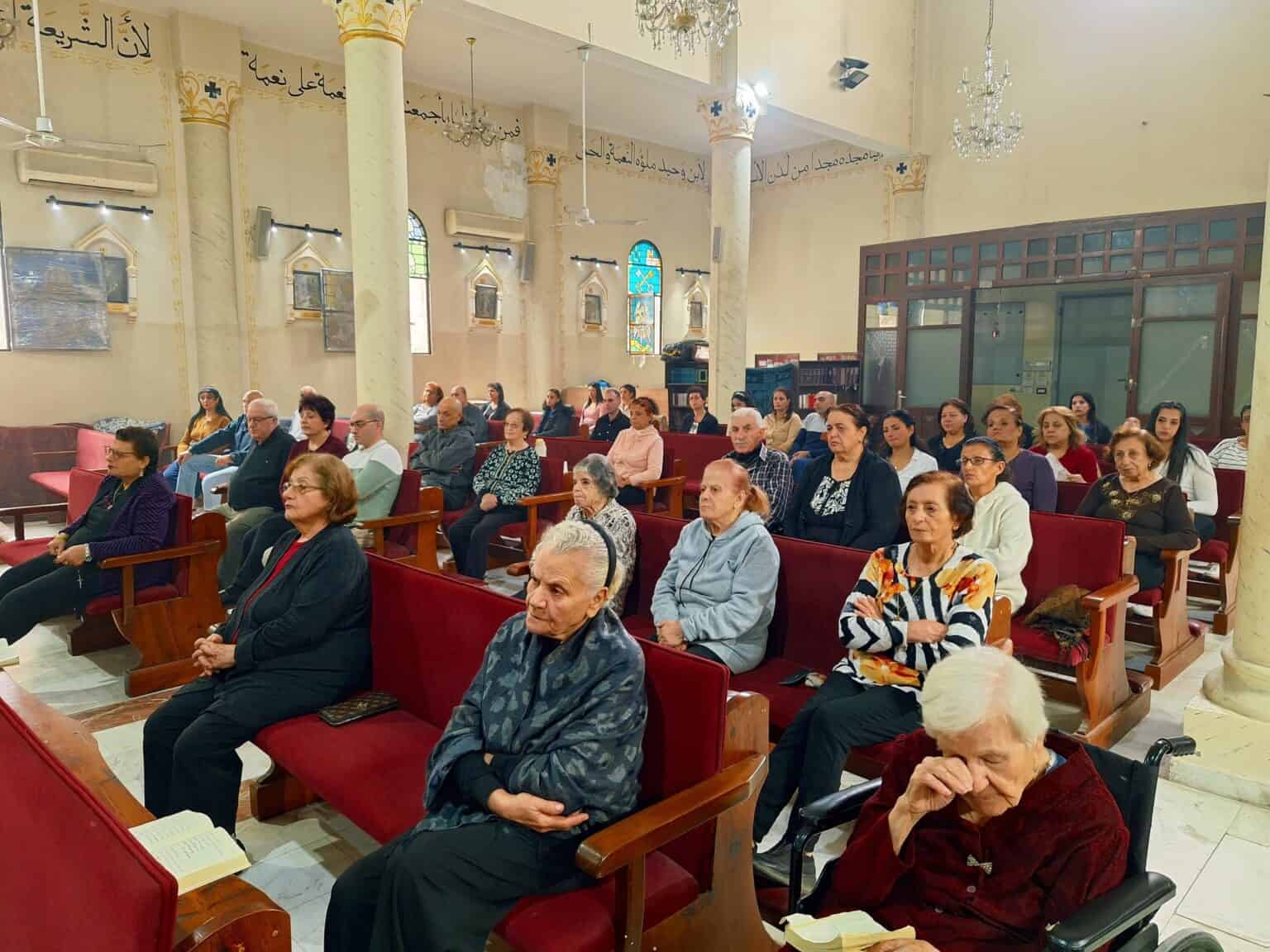
As they wait for Christmas, spiritual life in the parish remains intense. Furthermore, since the ceasefire began there have been three excursions to the coast. The last, on November 21, provided a rare moment of relaxation for 130 displaced people, among elderly, sick and families. “Children between the age of three and five, born just before the war, saw the ocean for the first time,” says the priest, smiling at the recollection.
School has also started again, with classes for 150 displaced children and teenagers providing as good a start to the 2025-2026 academic year as possible, given the circumstances. Unfortunately, there is no room to welcome more students, since the three Catholic schools in Gaza, which suffered damage during the war, continue to shelter many displaced families.
The Catholic compound in Gaza is home to 450 displaced people, including 30 Muslims with disabilities and one Muslim family. Most Christians in Gaza, both Catholic and Orthodox, are also living there. Around 60 people have managed to move to other lodgings or even return to their homes, or what is left of them, but they continue to visit the compound regularly to obtain drinking water and charge their phones.
Read more: https://www.churchinneed.org/amid-a-fragile-respite-an-urgent-plea-from-gaza-before-christmas/
By Christophe Lafontaine | churchinneed