Christian archaeology seeks to see, hear and touch the Word made flesh, Pope Leo XIV said, inviting the world’s bishops and others to encourage young people, lay people and priests to study archaeology.
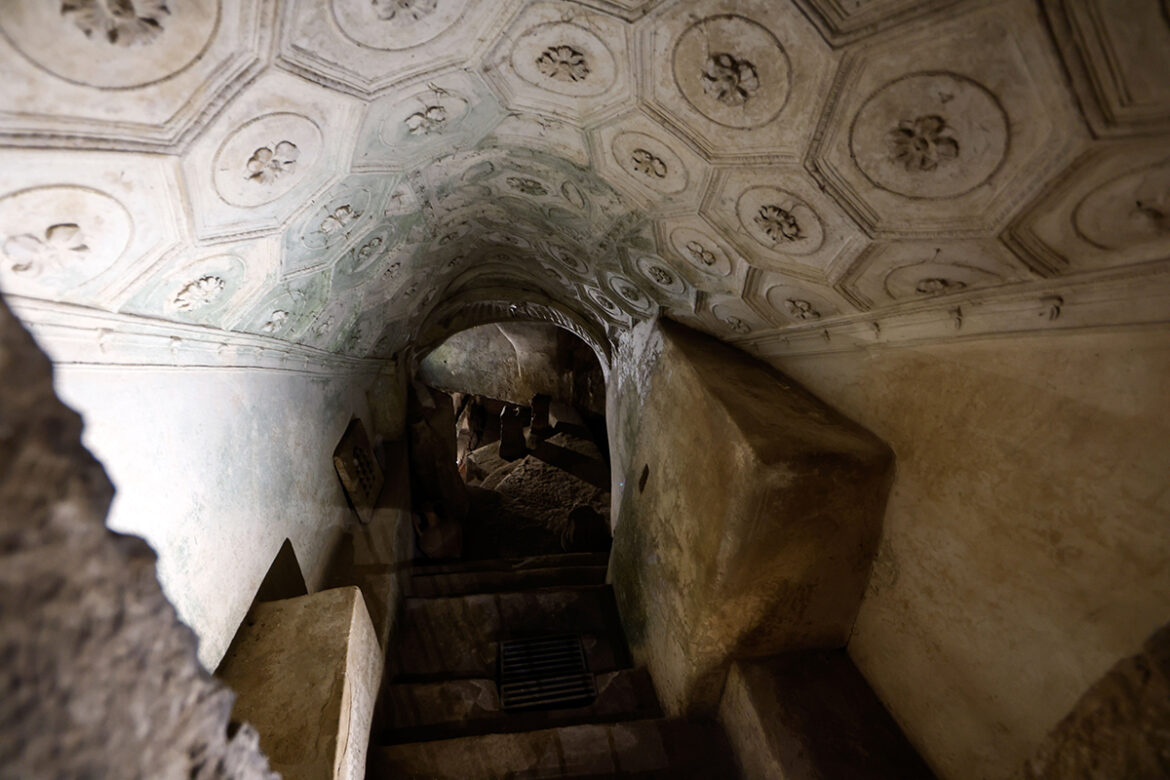
Ancient relics, catacombs, artifacts and ruins from the early Christian communities help the faithful “rediscover the roots of their faith,” and they speak “to those who are distant, to nonbelievers and to those who question the meaning of life, because they find an echo of eternity in the silence of the tombs and in the beauty of the early Christian basilicas,” the pope wrote in a new document.
“Moreover, archaeology speaks to young people, who often seek authenticity and significance; to scholars, who view faith as a historically documented reality rather than an abstraction; to pilgrims, who find in the catacombs and shrines a sense of purpose and an invitation to pray for the Church,” he wrote.
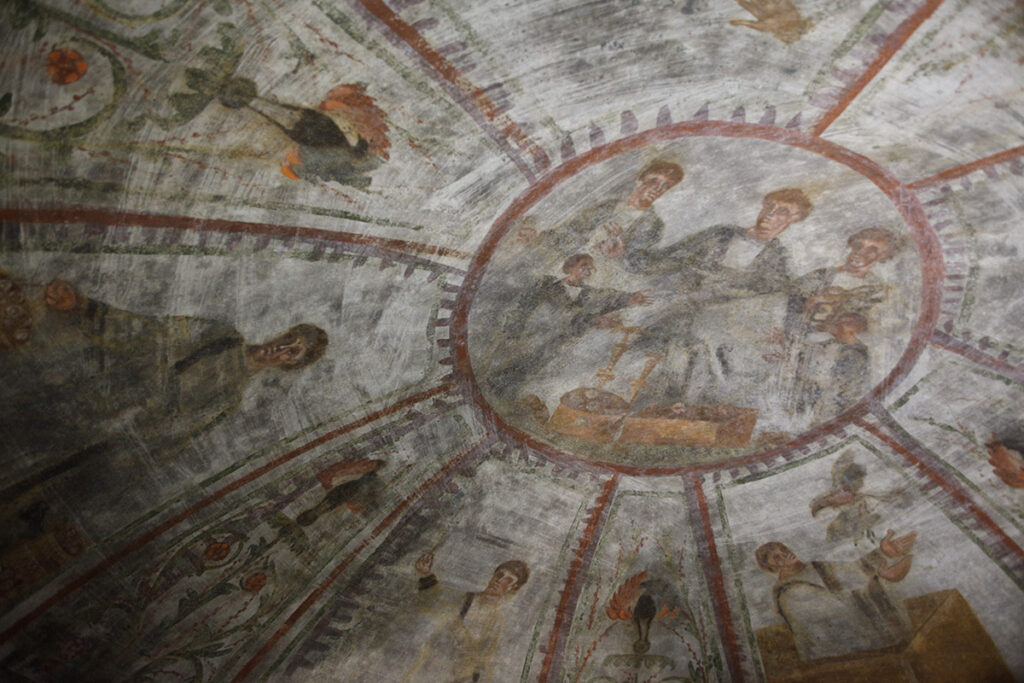
The Vatican released Pope Leo’s apostolic letter “on the importance of archaeology,” Dec. 11, “on the occasion of the centenary of the Pontifical Institute of Christian Archaeology,” which was founded by Pope Pius XI in 1925. The pope also met with members of the institute in an audience at the Vatican the same day.
The institute is a graduate-level research and teaching institution that offers degrees in Christian archaeology and has trained hundreds of archaeologists who specialize in ancient Christianity.
Archaeology essential in understanding Christianity
In the six-page letter, Pope Leo reaffirmed “the essential role of archaeology in understanding Christianity and, consequently, its application within catechetical and theological formation.”
“This is not about reducing ecclesial life to a cult of the past,” he wrote. True Christian archaeology is about making “the past speak to the present” and recognizing “the role of the Holy Spirit in guiding history.”
“In today’s fast-paced world, there is a tendency to forget and to consume images and words without reflecting on their meaning,” Pope Leo wrote. “The Church, on the other hand, is called to educate people in memory, and Christian archaeology is one of its most noble tools for doing so.”
Archeologists ‘do not destroy, but decipher’
Archaeology is “a ministry of hope, for it shows that faith has already survived difficult times and resisted persecution, crises and changes,” he wrote. “Those who study the origins of Christianity discover that the Gospel has always had a generative force, that the Church is always reborn,” and that the faith “has been renewed and regenerated, taking root in new peoples and flourishing in new forms.”
“We live in an age in which misuse and overconsumption have taken precedence over preservation and respect,” he wrote. “Archaeology, on the other hand, teaches us that even the smallest piece of evidence deserves attention, that every detail has value and that nothing can be discarded.”
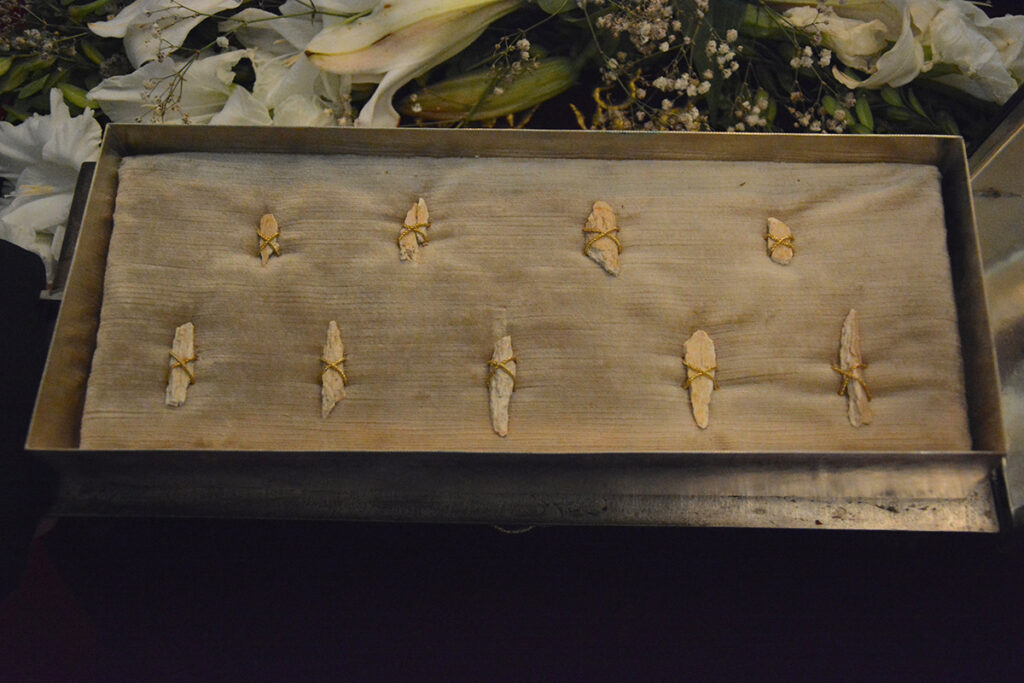
Archaeologists, he wrote, “do not destroy, but decipher,” identifying “the spirit of an era, the meaning of faith and the silence of prayer on a piece of pottery, a corroded coin or a faded engraving.” This kind of attitude and approach of respect “can teach us a great deal about pastoral care and catechesis today.”
“Christian communities safeguarded not only Jesus’ words, but also the places, objects and signs of his presence,” he wrote. “The empty tomb, Peter’s house in Capernaum, the tombs of the martyrs and the Roman catacombs all testify that God has truly entered history, and that faith is not a mere philosophy, but a tangible path within the reality of the world.”
Read more: https://www.osvnews.com/christian-archaeology-can-serve-evangelization-pope-says-in-document/
By Carol Glatz | osvnews